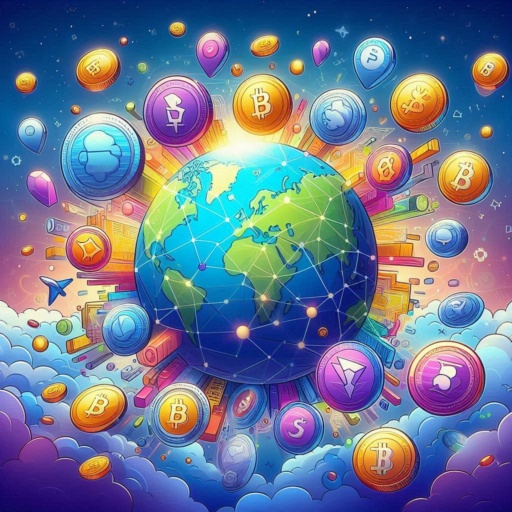
The world of blockchain has expanded far beyond cryptocurrencies and Non-Fungible Tokens (NFTs). While NFTs captured headlines by revolutionizing digital art and collectibles, tokenization—the process of converting real-world assets into digital tokens—is poised to reshape industries on a global scale. From real estate to luxury goods, tokenization is unlocking unprecedented opportunities for efficiency, accessibility, and security. In this article, we’ll explore the future of tokenization and how it’s transforming real-world assets.
What Is Tokenization?
Tokenization involves representing ownership of a physical or digital asset through blockchain-based tokens. These tokens can represent fractional ownership, making traditionally expensive assets more accessible. By using smart contracts, tokenization ensures secure and transparent transactions, eliminating intermediaries and reducing costs.
1. Real Estate: Unlocking Global Accessibility
The Challenge
Investing in real estate often requires significant capital, limiting opportunities for smaller investors. The process is also time-consuming and involves extensive paperwork.
Tokenization’s Role
Through tokenization, properties can be divided into fractional shares represented by digital tokens. Investors can purchase small portions of high-value real estate, making property ownership more accessible and liquid.
- Real-World Example: Companies like RealT tokenize real estate properties, allowing users to buy fractional ownership using cryptocurrencies.
- Benefit: Increased liquidity, lower barriers to entry, and streamlined transactions.
2. Art and Collectibles: Democratizing Ownership
The Challenge
The art and collectibles market has traditionally been accessible only to wealthy individuals and institutions.
Tokenization’s Role
Tokenization allows for fractional ownership of expensive artworks and collectibles. Investors can own a share of a Picasso painting or a rare sports memorabilia item, with transactions recorded transparently on the blockchain.
- Real-World Example: Masterworks tokenizes high-value art pieces, enabling fractional investments.
- Benefit: Broader participation in the art market and enhanced transparency.
3. Luxury Goods: Verifying Authenticity
The Challenge
Counterfeit luxury goods are a persistent problem, eroding trust and impacting brand value.
Tokenization’s Role
Luxury brands can tokenize products, assigning each item a unique digital identity on the blockchain. This ensures authenticity and allows consumers to verify the provenance of their purchases.
- Real-World Example: LVMH developed a blockchain platform, Aura, to verify the authenticity of its luxury products.
- Benefit: Increased consumer trust and reduced counterfeit goods.
4. Sports and Entertainment: Transforming Fan Engagement
The Challenge
Fans often have limited opportunities to engage directly with their favorite teams or artists.
Tokenization’s Role
Tokenization enables the creation of digital fan tokens that grant holders exclusive benefits, such as voting rights on team decisions or access to VIP events. It also allows fractional ownership of sports teams or exclusive memorabilia.
- Real-World Example: Socios.com offers fan tokens for major sports teams, enhancing fan engagement.
- Benefit: Closer connections between fans and their idols and new revenue streams for teams and artists.
5. Renewable Energy: Decentralizing Power Markets
The Challenge
Traditional energy markets are often monopolized and lack transparency.
Tokenization’s Role
Homeowners with renewable energy sources like solar panels can tokenize excess energy and sell it directly to consumers. Blockchain ensures transparent transactions and eliminates the need for centralized intermediaries.
- Real-World Example: Power Ledger facilitates peer-to-peer energy trading using tokenized energy units.
- Benefit: Greater energy efficiency and democratization of power markets.
6. Healthcare: Empowering Data Ownership
The Challenge
Patients often lack control over their medical data, and data breaches are a significant concern.
Tokenization’s Role
Healthcare providers can tokenize medical records, granting patients ownership of their data. Patients can securely share their information with authorized parties and earn rewards for contributing data to research.
- Real-World Example: Medicalchain uses blockchain to tokenize health records, enhancing data security.
- Benefit: Improved data privacy and patient empowerment.
7. Corporate Finance: Simplifying Equity and Bonds
The Challenge
Raising capital through traditional methods is often complex and costly.
Tokenization’s Role
Companies can tokenize equity and bonds, making them easily tradable on blockchain-based platforms. Investors benefit from increased liquidity and transparency.
- Real-World Example: tZERO provides a platform for trading tokenized securities.
- Benefit: Faster capital raising and reduced transaction costs.
The Challenges of Tokenization
While tokenization offers immense potential, it’s not without challenges:
- Regulatory Hurdles: Different jurisdictions have varying rules for tokenized assets, creating compliance complexities.
- Adoption Barriers: Widespread adoption requires educating stakeholders and developing user-friendly platforms.
- Technology Limitations: Scalability and security remain concerns for blockchain-based systems.
Conclusion
Tokenization is revolutionizing how we interact with assets, breaking down traditional barriers and creating new opportunities across industries. From real estate to renewable energy, the possibilities are limitless. As the technology matures and regulatory frameworks evolve, tokenization could become a cornerstone of the global economy, making ownership and investment more inclusive and efficient. The future of tokenization is here, and it’s only just beginning.
To learn more about trading methods, you can check out the Pumpedge Trading Category.