The term Metaverse is no longer confined to science fiction it has emerged as one of the most transformative digital trends of our time. With rapid advances in virtual reality (VR), augmented reality (AR), blockchain, and non-fungible tokens (NFTs), the Metaverse is set to redefine how we work, play, and interact online. In this comprehensive guide, we delve into what the Metaverse is, the technologies driving it, the business opportunities it presents, and the challenges it faces. Whether you’re a tech enthusiast, entrepreneur, or simply curious about the future of the digital world, this article will provide you with an in-depth understanding of the Metaverse and its potential to shape the future.
Introduction to the Metaverse
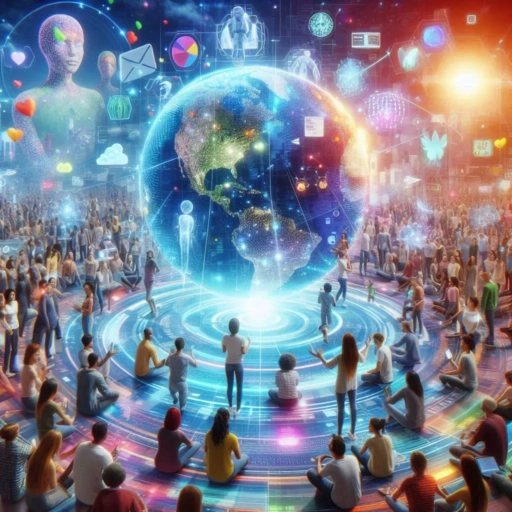
The Metaverse is a collective virtual shared space, created by the convergence of virtually enhanced physical reality and physically persistent virtual space. It encompasses a wide range of digital experiences, from immersive virtual worlds and social platforms to expansive digital economies. In simple terms, the Metaverse is an evolution of the internet—a three-dimensional, interconnected space where users can interact with each other and digital objects in real time.
What Is the Metaverse?
At its core, the Metaverse is a network of 3D virtual worlds focused on social connection. Unlike traditional websites or apps, the Metaverse offers immersive environments where users can experience events, conduct business, create art, and even build their own virtual spaces. The idea is to create a seamless, digital realm where the boundaries between online and offline life blur, giving rise to new forms of interaction and creativity.
Key Components of the Metaverse
Several high-impact technologies converge to form the backbone of the Metaverse:
- Virtual Reality (VR): Immerses users in fully digital environments using VR headsets, enabling a sense of presence in a virtual world.
- Augmented Reality (AR): Overlays digital content onto the physical world, enhancing real-world experiences with interactive elements.
- Blockchain Technology: Provides the decentralized infrastructure necessary for secure digital transactions, data ownership, and the creation of unique digital assets.
- Non-Fungible Tokens (NFTs): Enable the ownership and exchange of digital assets, art, and collectibles, ensuring uniqueness and provenance.
- Artificial Intelligence (AI): Enhances user experiences by powering interactive avatars, intelligent assistants, and dynamic content creation.
- Cloud Computing and 5G: Ensure the high-speed data processing and connectivity needed to support real-time interactions in immersive digital environments.
As these technologies mature, the Metaverse is becoming more accessible, creating a digital landscape that is richer, more engaging, and more interconnected than ever before.
The Technology Behind the Metaverse
The Metaverse is built on a foundation of several cutting-edge technologies. Understanding these components is crucial to appreciating how this digital revolution is taking shape.
Virtual Reality (VR) and Augmented Reality (AR)
Virtual Reality (VR) has been a major driver of immersive experiences. VR headsets such as the Oculus Quest, HTC Vive, and PlayStation VR transport users into entirely digital environments, where they can interact with 3D objects and explore virtual landscapes. On the other hand, Augmented Reality (AR) integrates digital content with the physical world, using devices like smartphones, tablets, and AR glasses. Apps such as Pokémon GO and various AR shopping experiences illustrate how AR can blend virtual elements with our everyday lives.
Both VR and AR are essential for creating interactive, immersive experiences in the Metaverse. As these technologies become more affordable and user-friendly, they will play an increasingly significant role in shaping virtual worlds.
Blockchain and Decentralization
Blockchain technology underpins the digital economy of the Metaverse by ensuring security, transparency, and decentralization. Through blockchain, digital assets ranging from virtual real estate to in-game items can be securely owned, bought, and sold. This creates new economic models where users have true ownership of their digital assets.
Decentralized Finance (DeFi) platforms are also integrating with the Metaverse, allowing users to lend, borrow, and trade assets in a trustless environment. With blockchain, transactions become transparent and immutable, fostering a secure digital economy.
Non-Fungible Tokens (NFTs)
NFTs have exploded in popularity as a means of representing unique digital items. In the Metaverse, NFTs can be used to verify the ownership of virtual assets, artworks, and even exclusive digital experiences. The NFT market has seen exponential growth, as artists, gamers, and collectors embrace the opportunity to trade and monetize digital creations in a way that was not previously possible.
Artificial Intelligence (AI)
AI is playing a pivotal role in enhancing user interactions and personalizing experiences within the Metaverse. Intelligent avatars, dynamic environments, and predictive analytics all contribute to creating engaging and adaptive virtual worlds. AI-driven content creation tools can generate immersive landscapes and interactive narratives, adding depth and realism to digital experiences.
High-Speed Connectivity
The widespread deployment of 5G networks and advancements in cloud computing have significantly improved data transfer speeds and reduced latency. These improvements are essential for supporting real-time interactions in the Metaverse, ensuring that immersive experiences are smooth and responsive. As connectivity continues to improve, the scalability and performance of Metaverse platforms will only increase.
The Digital Economy and Business Opportunities in the Metaverse
The Metaverse is not just a playground for gamers and tech enthusiasts it is also a burgeoning digital economy ripe with business opportunities. Companies across various sectors are beginning to explore how they can leverage this new frontier to engage consumers, create new revenue streams, and build brand loyalty.
Virtual Real Estate and Digital Assets
One of the most talked-about aspects of the Metaverse is virtual real estate. Digital land parcels in virtual worlds like Decentraland, The Sandbox, and Cryptovoxels are being bought, sold, and developed by investors and brands alike. These virtual spaces can be used to host events, create interactive advertisements, or even establish digital storefronts.
Investing in virtual real estate offers significant potential returns, as demand for unique digital environments grows. High-profile brands are already staking their claim in these virtual worlds, demonstrating the market’s potential for commercial ventures.
E-Commerce and Virtual Marketplaces
The rise of e-commerce in the Metaverse is transforming how consumers shop and interact with brands. Virtual marketplaces allow users to browse digital products, try on virtual clothing, and even participate in immersive shopping experiences that blend physical and digital retail. Brands are using the Metaverse to create engaging marketing campaigns and interactive brand experiences that drive customer engagement and loyalty.
Digital Services and Virtual Workspaces
As remote work becomes more prevalent, the Metaverse offers innovative solutions for virtual collaboration and business operations. Virtual workspaces and meeting platforms allow teams to interact in 3D environments, fostering creativity and collaboration beyond the limitations of traditional video conferencing. Companies are exploring how to leverage these virtual spaces to host conferences, training sessions, and collaborative projects.
Advertising and Brand Engagement
The immersive nature of the Metaverse presents a unique opportunity for advertising. Brands can create interactive ads that provide deeper engagement than traditional digital advertisements. Whether through virtual billboards, branded experiences, or in game advertising, the Metaverse offers a dynamic environment for marketers to connect with consumers.
Social Impact, Gaming, and Entertainment in the Metaverse
The Metaverse is redefining social interactions, entertainment, and gaming. Its influence extends far beyond business, transforming how we socialize, play, and experience culture.
Social Interaction and Community Building
Social platforms within the Metaverse enable users to interact in ways that mimic real-life experiences. Virtual meetups, concerts, and social hubs are becoming popular as people seek new ways to connect with friends and communities. The ability to create customizable avatars and digital identities adds a layer of personalization that enhances social engagement.
Gaming and Interactive Experiences
Gaming has always been a driving force in the adoption of virtual worlds. The Metaverse takes gaming to the next level by offering expansive, immersive worlds where players can explore, compete, and create their own content. From massively multiplayer online games (MMOs) to virtual reality adventures, the gaming sector is at the forefront of the Metaverse revolution.
High search volume keywords such as “virtual reality games”, “immersive gaming experiences”, and “online multiplayer worlds” are driving interest in this area. Gaming companies are investing heavily in creating rich, interactive environments that blur the line between gaming and social interaction.
Entertainment and Cultural Experiences
The entertainment industry is leveraging the Metaverse to create new forms of digital art, music, and cultural events. Virtual concerts, art galleries, and interactive theater experiences offer audiences a novel way to experience creativity and culture. These events can be attended from anywhere in the world, breaking down geographical barriers and fostering a truly global community.
Challenges and Concerns in the Metaverse
While the Metaverse holds tremendous promise, it also comes with a set of challenges and concerns that need to be addressed for its sustainable growth.
Cybersecurity and Data Privacy
As more of our lives move into digital spaces, cybersecurity becomes increasingly critical. The Metaverse will store vast amounts of personal data, digital assets, and financial information, making it a prime target for cyberattacks. Ensuring robust security measures, including encryption and secure authentication protocols, is essential to protect users and maintain trust.
Digital Identity and Ownership
The concept of digital identity in the Metaverse raises questions about data ownership, privacy, and the authenticity of digital assets. Users need to have control over their digital identities and the content they create, while platforms must ensure that intellectual property rights are respected. Blockchain technology and NFTs play a crucial role in addressing these concerns by providing verifiable ownership and provenance for digital assets.
Regulatory and Legal Challenges
As the Metaverse expands, regulators around the world are grappling with how to manage this new digital landscape. Issues such as taxation, digital rights management, and cross-border data flows present complex challenges that require coordinated legal frameworks. Clear regulations will be essential for fostering innovation while protecting consumers and businesses.
Digital Divide and Accessibility
Despite rapid technological advancements, there remains a digital divide in terms of access to high-speed internet, VR/AR devices, and the skills needed to navigate immersive digital environments. To ensure that the benefits of the Metaverse are widely shared, efforts must be made to improve accessibility and bridge the digital divide.
The Future of the Metaverse: Innovations and Emerging Trends
Looking ahead, the evolution of the Metaverse is poised to be driven by ongoing innovations and emerging trends.
Convergence of Technologies
The continued convergence of VR, AR, blockchain, AI, and cloud computing will drive the evolution of the Metaverse. As these technologies become more integrated, we can expect more seamless and realistic virtual experiences that closely mimic real-life interactions.
Enhanced Interoperability
One of the key challenges facing the Metaverse is the lack of interoperability between different virtual worlds. Future developments are likely to focus on creating standardized protocols that enable seamless movement and data exchange between platforms. This will allow users to maintain a consistent digital identity and asset portfolio across various virtual environments.
Economic and Social Integration
As the digital economy matures, the Metaverse is expected to play an increasingly integral role in our daily lives. From digital currencies and NFTs to virtual workspaces and online education, the Metaverse will become a central hub for economic and social activities. This integration will further blur the lines between the physical and digital worlds, leading to new paradigms in how we live, work, and interact.
Sustainability and Ethical Considerations
As with any disruptive technology, sustainability and ethics will be critical factors in the development of the Metaverse. Energy consumption, environmental impact, and ethical considerations regarding digital content and user behavior will need to be addressed through thoughtful policies and innovative technological solutions.
Top 5 Metaverse Coins to Watch in 2025 -2028: Powering the Future of Virtual Worlds
The metaverse is no longer a sci-fi concept—it’s a booming digital economy projected to reach $800 billion by 2028, according to Bloomberg. At the heart of this revolution are metaverse coins, cryptocurrencies that fuel virtual worlds, gaming ecosystems, and decentralized platforms. These tokens enable ownership of NFTs, virtual real estate, and immersive experiences. In this article, we explore the top 5 metaverse coins driving innovation, backed by strong communities, cutting-edge tech, and real-world utility.
1. Decentraland (MANA)
Decentraland is a pioneer in the metaverse space, offering a decentralized virtual world where users buy, sell, and build on 3D land parcels represented as NFTs. Its native token, MANA, powers transactions, governance, and in-world purchases.
With partnerships like Samsung and Atari, Decentraland hosts global events like Metaverse Fashion Week, attracting brands like Dolce & Gabbana. MANA’s integration with Ethereum’s ecosystem and its focus on user-generated content make it a top choice for investors eyeing long-term virtual real estate growth.
Why MANA?
- Largest metaverse platform by market cap.
- Robust NFT marketplace and DAO governance.
2. The Sandbox (SAND)
The Sandbox combines gaming, NFTs, and creativity in a voxel-based metaverse. Its utility token, SAND, is used to purchase assets, stake for rewards, and participate in governance.
Backed by giants like SoftBank and Animoca Brands, The Sandbox has partnered with Adidas, Gucci, and Snoop Dogg to create branded experiences. The platform’s no-code Game Maker tool empowers creators to design games and monetize content, fueling its play-to-earn (P2E) economy.
Why SAND?
- High-profile brand collaborations.
- Strong emphasis on creator monetization.
3. Axie Infinity (AXS)
Axie Infinity revolutionized blockchain gaming with its Pokémon-inspired NFT battle game. Players breed, battle, and trade Axies (NFT creatures), earning AXS tokens as rewards.
Despite market volatility, Axie’s Ronin blockchain ensures low fees and fast transactions, while its upcoming “Origin” update aims to enhance gameplay. AXS holders also govern the platform’s treasury and development roadmap, making it a key GameFi contender.
Why AXS?
- Dominant player in the P2E gaming sector.
- Active community and roadmap upgrades.
4. Enjin Coin (ENJ)
Enjin Coin powers the Enjin ecosystem, a blockchain platform focused on gaming and NFT infrastructure. ENJ is used to mint, trade, and back NFTs with real value, ensuring scarcity and liquidity.
Enjin’s “JumpNet” blockchain offers carbon-neutral NFTs, appealing to eco-conscious projects. Partnerships with Microsoft and Minecraft integration highlight its potential to bridge traditional gaming with Web3.
Why ENJ?
- Leader in blockchain gaming infrastructure.
- Sustainability-focused solutions.
5. ApeCoin (APE)
Born from the iconic Bored Ape Yacht Club (BAYC) NFT collection, ApeCoin is the governance and utility token for the APE ecosystem, including the upcoming Otherside metaverse.
Otherside, a gamified virtual world by Yuga Labs, promises interoperability with NFTs and immersive experiences. APE grants voting rights on ecosystem decisions and access to exclusive events, making it a prime bet for NFT enthusiasts.
Why APE?
- Backed by Yuga Labs’ proven NFT success.
- Central to the hyped Otherside metaverse.
How to Buy Metaverse Coin?
Binance Global Exchanges Register Link
The Metaverse Economy is Just Getting Started
From virtual real estate to blockchain gaming, these top 5 metaverse coins are at the forefront of reshaping how we interact with digital worlds. MANA, SAND, AXS, ENJ, and APE each offer unique value propositions, whether through gaming, NFTs, or decentralized governance.
However, the metaverse is still evolving. Investors should prioritize projects with strong partnerships, active communities, and clear roadmaps. As Web3 and AI-driven virtual worlds advance, these tokens could redefine ownership, creativity, and social interaction online.
Stay ahead of the curve research, diversify, and keep an eye on the next-gen metaverse coins poised to dominate 2025 and beyond.
Embracing the Future of the Metaverse
The Metaverse is set to redefine our digital landscape by offering immersive experiences that span social interaction, gaming, business, and entertainment. With technologies such as virtual reality, augmented reality, blockchain, and AI driving this revolution, the potential for transformative change is immense. While challenges such as cybersecurity, data privacy, and regulatory hurdles remain, the opportunities for innovation and growth in the Metaverse are equally vast.
For businesses, entrepreneurs, and everyday users alike, understanding the Metaverse is no longer optional it is essential for staying ahead in an increasingly digital world. By embracing the Metaverse and its associated technologies, we open the door to a future where virtual experiences are as real and significant as those in the physical world.
As we look forward to a more connected and immersive digital future, now is the time to invest in learning about the Metaverse, exploring its virtual worlds, and preparing for the economic and social shifts that lie ahead. Whether you are interested in the digital economy, immersive entertainment, or innovative business opportunities, the Metaverse promises to be a game-changer in the evolution of technology.
Key Takeaways
- Immersive Experiences: The Metaverse combines virtual reality, augmented reality, and advanced digital technologies to create immersive, interactive environments.
- Digital Economy: From virtual real estate and NFTs to digital marketplaces and remote work, the Metaverse is redefining economic activity.
- Technological Convergence: Cutting-edge technologies such as blockchain, AI, and 5G are converging to enable the seamless operation of virtual worlds.
- Social Impact: The Metaverse offers new ways to connect, collaborate, and experience entertainment on a global scale.
- Challenges Ahead: Cybersecurity, data privacy, and regulatory frameworks are critical challenges that must be addressed to ensure the sustainable growth of the Metaverse.
- Future Potential: As interoperability and technological integration improve, the Metaverse is poised to become an integral part of everyday life.
Happy exploring, and welcome to the new era of the Metaverse!