In today’s rapidly evolving financial landscape, digital assets have emerged as a transformative force. From cryptocurrencies like Bitcoin and Ethereum to non-fungible tokens (NFTs) and decentralized finance (DeFi) platforms, the opportunities to grow your wealth have never been greater. This comprehensive guide will walk you through the best ways to grow your digital assets, offering actionable strategies, expert insights, and valuable tips to help you navigate the crypto space with confidence.
Understanding Digital Assets
Digital assets encompass a wide range of investment vehicles that exist in a digital format. They include cryptocurrencies, digital tokens, NFTs, and even digital representations of traditional assets. The underlying blockchain technology ensures transparency, security, and decentralization—key attributes that have attracted millions of investors worldwide.
What Are Cryptocurrencies?
Cryptocurrencies are digital or virtual currencies that use cryptography for security. Bitcoin, the pioneer cryptocurrency, revolutionized the financial world by introducing a decentralized system where transactions occur without intermediaries. Today, there are thousands of cryptocurrencies, including Ethereum, Ripple, and Litecoin, each with its own unique value proposition.
The Role of Blockchain Technology
Blockchain technology is the backbone of digital assets. It is a distributed ledger that records transactions across a network of computers. This technology ensures that data is immutable and transparent, making it nearly impossible to alter once it has been recorded. As blockchain continues to evolve, its applications extend beyond digital currencies to areas such as supply chain management, voting systems, and even digital identity verification.
Key Cryptocurrencies to Watch
To effectively grow your digital assets, it’s crucial to understand which cryptocurrencies offer long-term potential. Here are a few noteworthy options:
Bitcoin (BTC)
Bitcoin remains the most recognized and widely adopted cryptocurrency. Often referred to as digital gold, Bitcoin serves as a store of value and a hedge against traditional financial market volatility. Its limited supply and growing institutional interest make it a cornerstone in many digital asset portfolios.
Ethereum (ETH)
Ethereum introduced the concept of smart contracts—self-executing contracts with the terms directly written into code. This innovation has paved the way for a myriad of decentralized applications (dApps) and has positioned Ethereum as a leader in the blockchain space. With the transition to Ethereum 2.0, improved scalability and energy efficiency are expected, further enhancing its appeal.
Altcoins and Emerging Tokens
While Bitcoin and Ethereum are industry leaders, exploring altcoins can diversify your digital asset portfolio. Projects like Cardano, Polkadot, and Solana are gaining traction due to their innovative approaches and robust technology. Conducting thorough altcoin analysis is essential to identify those with strong fundamentals and long-term growth potential.
Strategies for Growing Your Digital Assets
Growing your digital assets requires a multi-faceted approach that combines smart investing, diversification, and risk management. Here are some strategies to consider:
1. Long-Term Investment (HODLing)
HODLing, a term popularized in the crypto community, refers to the practice of holding onto your digital assets for an extended period despite market volatility. By adopting a long-term investment strategy, you can potentially benefit from the overall upward trajectory of the crypto market.
2. Dollar-Cost Averaging (DCA)
Dollar-cost averaging is an investment strategy where you invest a fixed amount of money at regular intervals, regardless of market conditions. This approach minimizes the risk of investing a large sum during a market peak and helps smooth out the impact of volatility over time.
3. Diversification
Just as with traditional investments, diversification is key in the digital asset world. Spreading your investments across various cryptocurrencies, DeFi projects, and NFTs can help mitigate risk. Diversification ensures that the performance of one asset does not disproportionately affect your overall portfolio.
4. Active Trading and Market Timing
For more experienced investors, active trading can be an effective way to grow digital assets. By analyzing market trends, technical indicators, and crypto market trends, traders can capitalize on short-term price movements. However, this strategy requires a deep understanding of the market and the ability to react quickly to changing conditions.
5. Staking and Yield Farming
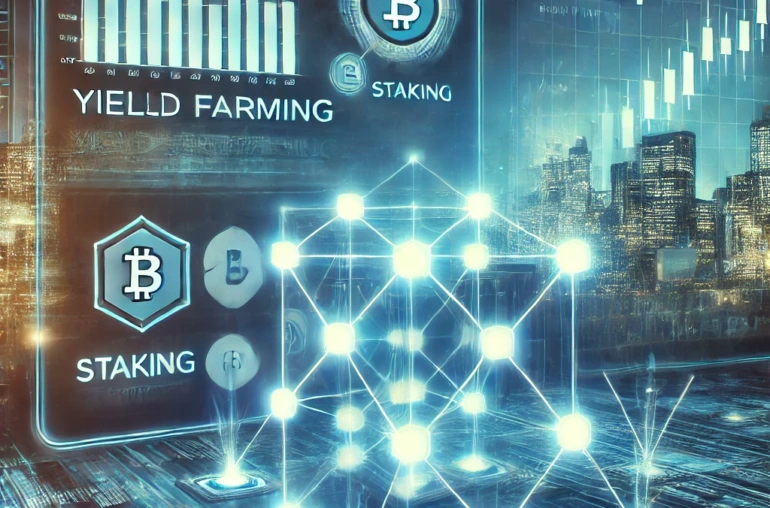
Staking involves locking up your digital assets to support the operations of a blockchain network in exchange for rewards. Yield farming, on the other hand, involves lending or staking your cryptocurrencies in DeFi platforms to earn interest. Both strategies can generate passive income, further increasing your digital asset holdings over time.
Exploring DeFi Opportunities
Decentralized finance (DeFi) has emerged as one of the most exciting sectors within the crypto industry. DeFi platforms offer financial services without the need for traditional intermediaries like banks. Here’s how you can leverage DeFi to grow your digital assets:
Lending and Borrowing
DeFi lending platforms allow you to earn interest by lending your cryptocurrencies to other users. Conversely, borrowing platforms enable you to take out loans using your digital assets as collateral. This flexibility can help you access liquidity without liquidating your investments.
Liquidity Mining
Liquidity mining involves providing liquidity to DeFi protocols and earning rewards in return. By participating in liquidity pools, you not only contribute to the overall health of the ecosystem but also earn additional tokens, which can further boost your portfolio.
Decentralized Exchanges (DEXs)
Decentralized exchanges offer a platform for trading cryptocurrencies without the need for a central authority. These exchanges provide greater privacy and security, and they often offer lower fees compared to traditional centralized platforms. Utilizing DEXs for trading can enhance your portfolio’s performance by reducing transaction costs.
Maximizing Returns with Crypto Investment Strategies
To maximize your returns, consider adopting a well-rounded crypto investment strategy that combines both passive and active elements. Here are some key considerations:
Research and Due Diligence
Before investing in any digital asset, conduct thorough research. Evaluate the project’s whitepaper, team, technological innovation, and market potential. Utilizing crypto market trends and altcoin analysis can help you identify undervalued opportunities.
Staying Informed
The crypto market is highly dynamic, with new developments emerging daily. Regularly following trusted crypto news sources, blogs, and influencers can provide you with up-to-date information. Platforms like CoinDesk, CoinTelegraph, and reputable subreddits are excellent places to start.
Risk Management
Investing in digital assets carries inherent risks. To manage these risks, only invest what you can afford to lose, and consider using stop-loss orders to protect your investments. Diversifying your portfolio and setting clear investment goals can also help mitigate potential losses.
The Role of NFTs in Digital Asset Growth
Non-fungible tokens (NFTs) have taken the digital world by storm, offering unique opportunities for asset growth. NFTs represent ownership of unique items or content, ranging from digital art and collectibles to virtual real estate and gaming assets.
Investing in Digital Art and Collectibles
Digital art and collectibles have become a popular investment avenue. High-profile NFT sales have demonstrated the potential for substantial returns. By carefully selecting NFTs from reputable artists and platforms, you can diversify your digital asset portfolio while tapping into emerging market trends.
Virtual Real Estate and Metaverse Investments
The concept of virtual real estate is gaining momentum as more platforms develop immersive digital worlds, known as metaverses. Investing in virtual land and properties within these digital spaces can yield long-term benefits as these ecosystems expand and attract a growing user base.
Securing Your Digital Wealth: Best Practices
As you grow your digital assets, security should be a top priority. Cyber threats and hacks are a constant risk in the crypto space, making it essential to adopt robust security measures.
Crypto Wallet Security
Invest in a reputable crypto wallet to store your digital assets securely. Hardware wallets, in particular, offer enhanced protection against online threats. Additionally, enable two-factor authentication (2FA) and use strong, unique passwords for all your crypto accounts.
Regular Software Updates
Keeping your wallet and related software up to date is crucial for maintaining security. Software updates often include critical security patches that protect against newly discovered vulnerabilities.
Diversification of Storage Methods
Avoid keeping all your digital assets in one place. By diversifying your storage using a combination of hardware wallets, software wallets, and even cold storage you reduce the risk of losing everything in the event of a security breach.
The Future of Digital Assets: Trends and Predictions
The digital asset landscape is poised for further evolution. Here are some emerging trends and predictions that could shape the future of digital asset growth:
Mainstream Adoption
As more businesses and financial institutions embrace digital assets, mainstream adoption is expected to accelerate. Increased acceptance of cryptocurrencies as a legitimate asset class will drive higher demand and potentially lead to significant price appreciation.
Regulatory Developments
Regulatory frameworks for digital assets are still in their infancy. However, as governments around the world establish clearer guidelines, the crypto market could experience increased stability and investor confidence. Keep an eye on regulatory news, as it can have a profound impact on market dynamics.
Technological Advancements
The blockchain and crypto industries are marked by rapid innovation. Developments such as Ethereum 2.0, improvements in scalability, and the expansion of DeFi and NFT platforms will continue to shape the digital asset landscape. Staying informed about technological trends can help you make strategic investment decisions.
Integration with Traditional Finance
The convergence of traditional finance and digital assets is inevitable. As traditional financial institutions begin to offer crypto-related services, such as custodial solutions and investment products, the lines between conventional and digital assets will blur. This integration could lead to increased liquidity and market stability.
Conclusion
Growing your digital assets in the crypto era requires a balanced blend of research, strategy, and security. By understanding the fundamentals of digital assets, staying informed about market trends, and adopting diversified investment strategies, you can position yourself for long-term financial success. Whether you’re a seasoned investor or just starting your journey, the dynamic world of cryptocurrencies, DeFi, NFTs, and blockchain technology offers endless opportunities to unlock financial freedom.
Remember, the crypto market is ever changing, and success in digital asset growth hinges on your ability to adapt, learn, and evolve. With careful planning and prudent risk management, you can harness the power of this revolutionary financial ecosystem to build lasting wealth and secure your financial future.
You can follow important news about cryptocurrencies and bitcoin in the Pumpedge Crypto News section.